
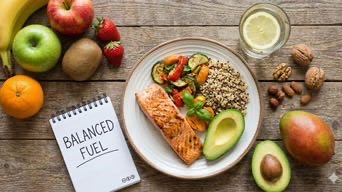
While targeted exercise is a pillar of fitness, nutrition is the foundation of sustainable weight loss. To maximise your results, it is essential to recognise the "hidden" calories that often stall progress. This guide walks through the key categories of foods and drinks to limit — and what to swap them for.

1. Sugar-Loaded Beverages
- Soda and Soft Drinks: A standard 12-oz can contains roughly 40 grams of sugar, providing "empty calories" that spike insulin and promote fat storage.
- Sweetened Coffee Drinks: Many flavoured lattes and frappés contain more calories and sugar than a full dessert, stalling your fat loss journey.
- Fruit Juices: Even 100% juice lacks the essential fibre found in whole fruit, leading to rapid blood sugar spikes and decreased satiety.
- Energy Drinks: These are often loaded with artificial stimulants and sugar, leading to a metabolic crash shortly after consumption.
- Sweetened Tea: Despite the "healthy" image, many commercial pre-bottled teas contain as much high-fructose corn syrup as carbonated soft drinks.
Better alternatives: Filtered water, unsweetened herbal tea, black coffee, or sparkling water with fresh citrus.
2. Processed Foods to Minimise
- White Bread and Refined Grains: These products are stripped of nutrients and fibre, converting quickly into glucose once digested, which promotes fat storage.
- Processed Meats: Items like bacon, deli meats, and hot dogs are typically packed with sodium and nitrates, contributing to inflammation.
- Packaged Snack Foods: Most crackers and chips are designed to be "hyper-palatable," making it difficult to maintain portion control during your diet.
- Traditional Fast Food: These meals are usually high in inflammatory trans fats and excessive calories while offering very little nutritional value.
- Frozen Convenience Meals: Though convenient, these are frequently laden with preservatives and hidden sugars to enhance shelf life.
Better alternatives: Whole grains (quinoa, oats), fresh leafy greens, lean protein sources, and raw nuts.

3. Identifying Hidden Sugar Sources
- "Low-Fat" Labelled Products: When fat is removed, manufacturers often add significant sugar to maintain flavour, which is counterproductive for fat loss.
- Sugary Condiments: Everyday items like ketchup, BBQ sauce, and some salad dressings are surprisingly high in hidden caloric sweeteners.
- Granola and Cereals: Marketing suggests health benefits, but many brands contain more sugar than traditional desserts.
- Flavoured Yogurts: Fruit-on-the-bottom yogurts can contain more sugar than a serving of ice cream in some commercial brands.
- Protein/Energy Bars: Many are essentially candy bars with added protein; always check the label for high-fructose corn syrup.
Better alternatives: Natural full-fat products in moderation, homemade oil-and-vinegar dressings, and plain Greek yogurt.
4. Alcohol and Metabolism
- Beer and Ales: These contribute significant liquid calories and carbohydrates that can lead to increased abdominal fat.
- Mixed Cocktails: Drinks using fruit juices, sodas, or syrups are a double-threat of high alcohol and high sugar content.
- Wine Consumption: While lower in sugar than cocktails, alcohol itself is calorie-dense and temporarily halts your body's fat-burning process.
- Lowered Inhibitions: Alcohol consumption often leads to poor late-night food choices and increased appetite the following day.
Better alternatives: Spirits with zero-calorie mixers (soda water), dry wines, or dedicated alcohol-free training blocks.

Practical Tips for Dietary Success
- Read Nutrition Labels: Look past marketing claims and check the actual ingredient list.
- Commit to Meal Prep: Control your ingredients by preparing meals at home for the week.
- Stay Hydrated: Drinking water before meals helps naturally manage your portion sizes.
- Prioritise Protein: Include lean protein in every meal to support muscle and stay full longer.
- The 80/20 Rule: Aim for nutrient-dense foods 80% of the time to maintain a sustainable lifestyle.
Sustainable weight loss comes from reasonable habits you can maintain long-term, not from extreme restriction. Focus on adding nutrient-dense foods rather than just eliminating what you enjoy.

Dean Burt
REPs Level 3 Certified Personal Trainer · East London · 12+ Years Experience